AI Is Becoming the Specialist. What's Left for Humans?
For years, the formula was clear: specialize. Study your craft. Train hard. Build real experience. That was how you became valuable. That was how you stood out. And for a long time, it worked.
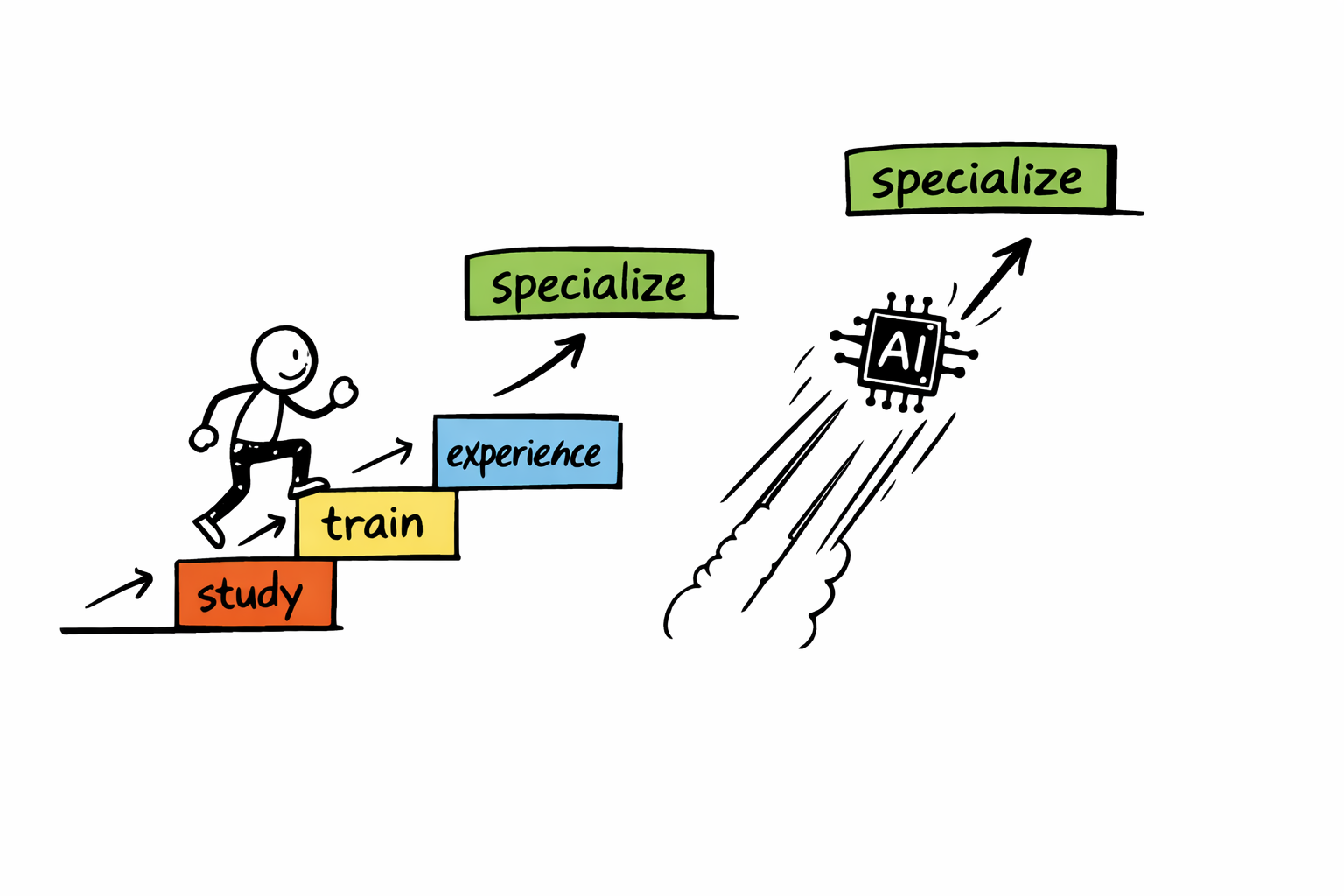
But now, something is changing. The very skills we thought would make us irreplaceable are becoming the first things AI learns to do exceptionally well.
That is the paradox.
The how is being commoditized
For a very long time, value came from mastering the how. How to code. How to calculate. How to design. How to produce. How to optimize. That was the deal. You learned to do something difficult, useful, and hard to replace, and you became valuable.
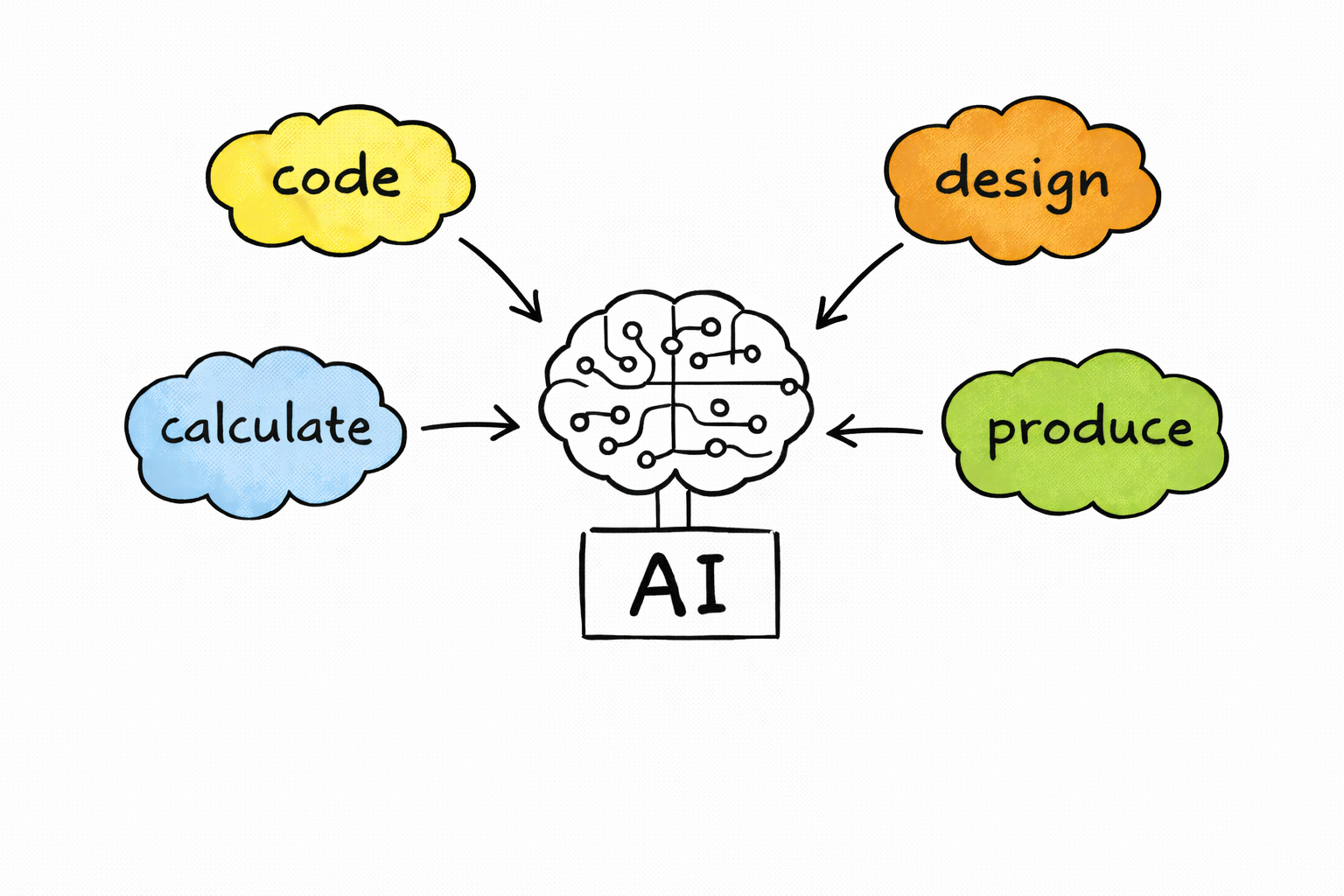
But AI is changing that equation. It can already write code, summarize documents, generate visuals, and handle many technical tasks faster than any individual human. The how is being commoditized at speed.
The real human advantage
So what becomes more valuable when machines become incredible specialists? I think the answer is much older than technology. Much older. It is our social intelligence. Our ability to build trust. Create alignment. Read context. And solve problems together.
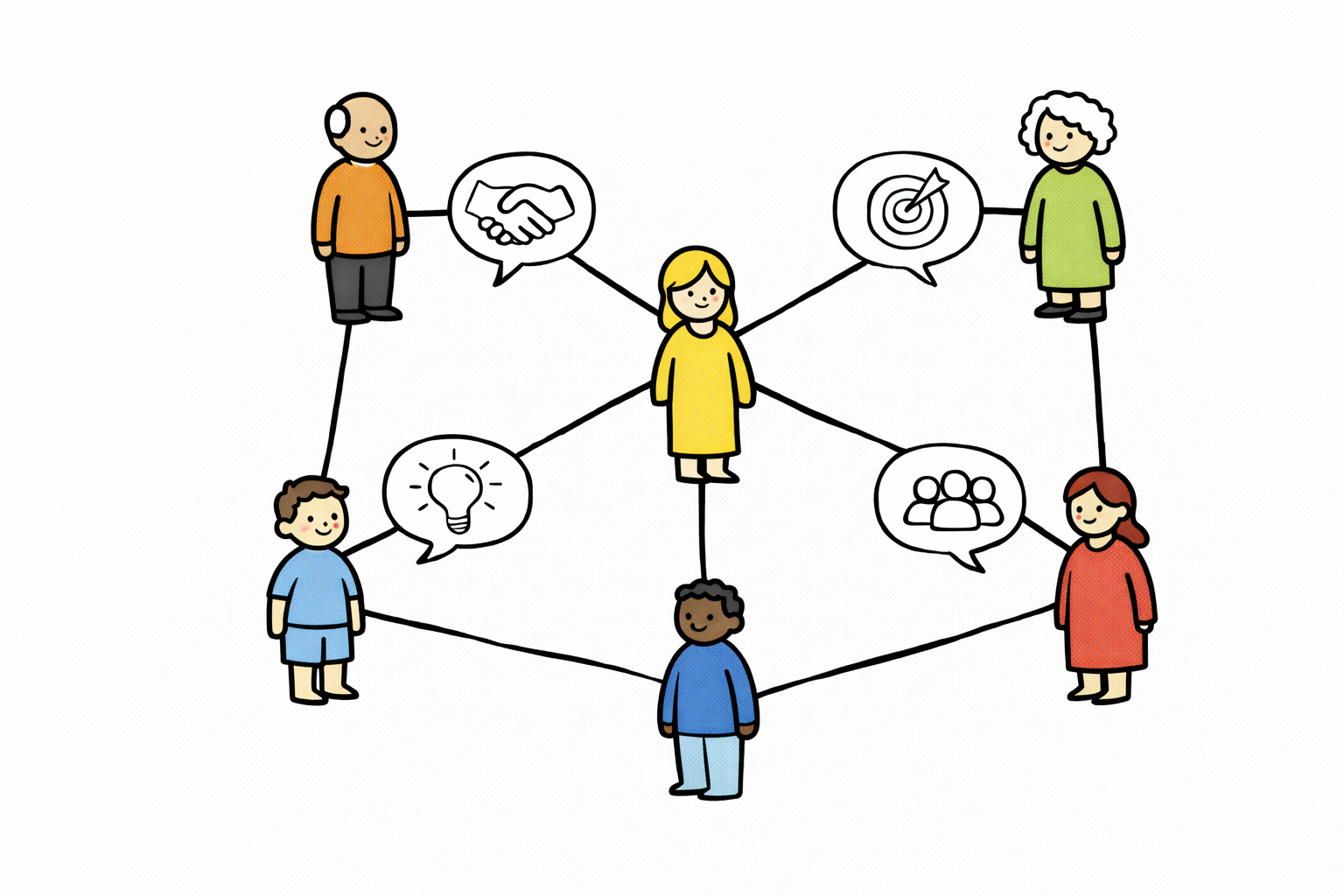
For thousands of years, humans did not survive because each person could do everything. We survived because we learned how to work together. And once trust became possible at scale, specialization took off. One person hunted. Another cared for the sick. Another built the tools.
That was the real breakthrough. Not just knowledge. Coordination.
Why prompt engineering is not the destination
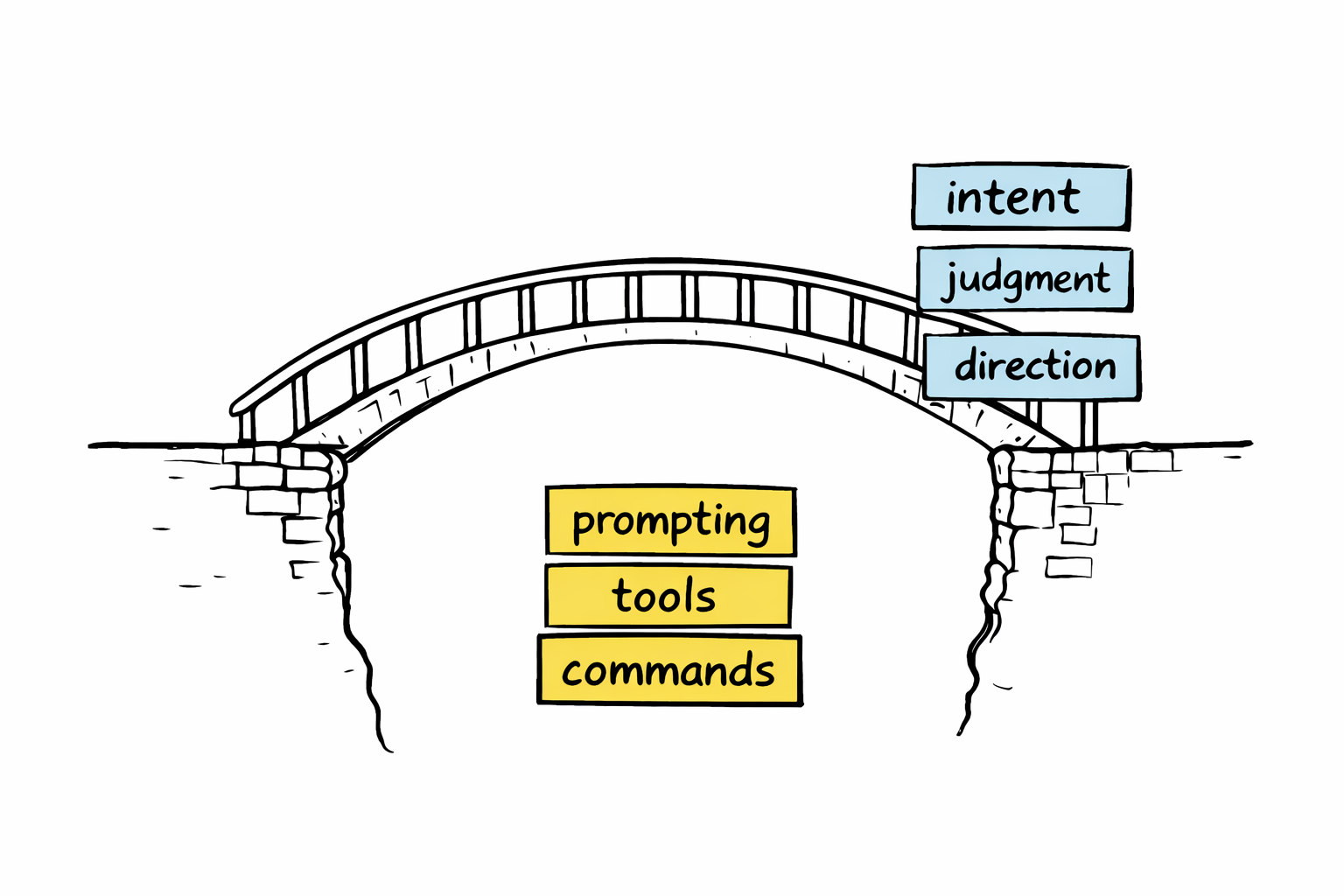
Today, a lot of attention goes to prompt engineering. And right now, that makes sense. It is useful. It gives you leverage. You should absolutely learn it. But I do not think that is where this ends.
I think prompt engineering is a bridge skill. Because over time, AI will get better at reading intent. And when that happens, the prompt itself matters less. What matters more is the intention behind it.
The interface will improve. The technology will become more invisible. And the world will care less about how cleverly you talk to the machine, and more about what you are trying to achieve with it.
AI as a commodity
And over time, AI itself will become a commodity. More available. More affordable. More embedded in everything.
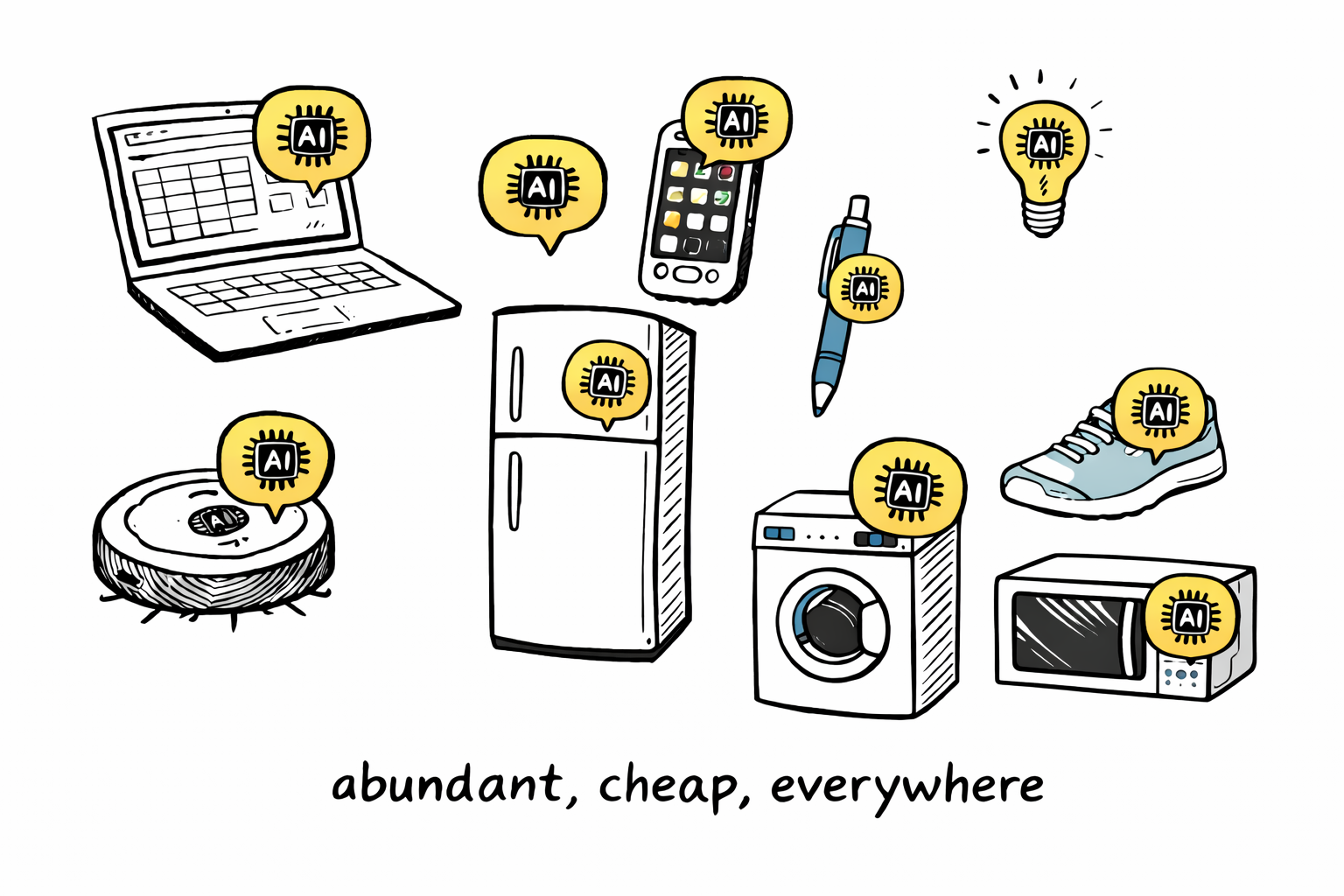
When that happens, the advantage will no longer come from knowing how to use AI. It will come from how you think, and what you are able to do with it.
The SEA framework: where human value moves next
So if human value is moving, where is it moving to?
To navigate this new sea, three capabilities become essential:
Strategy
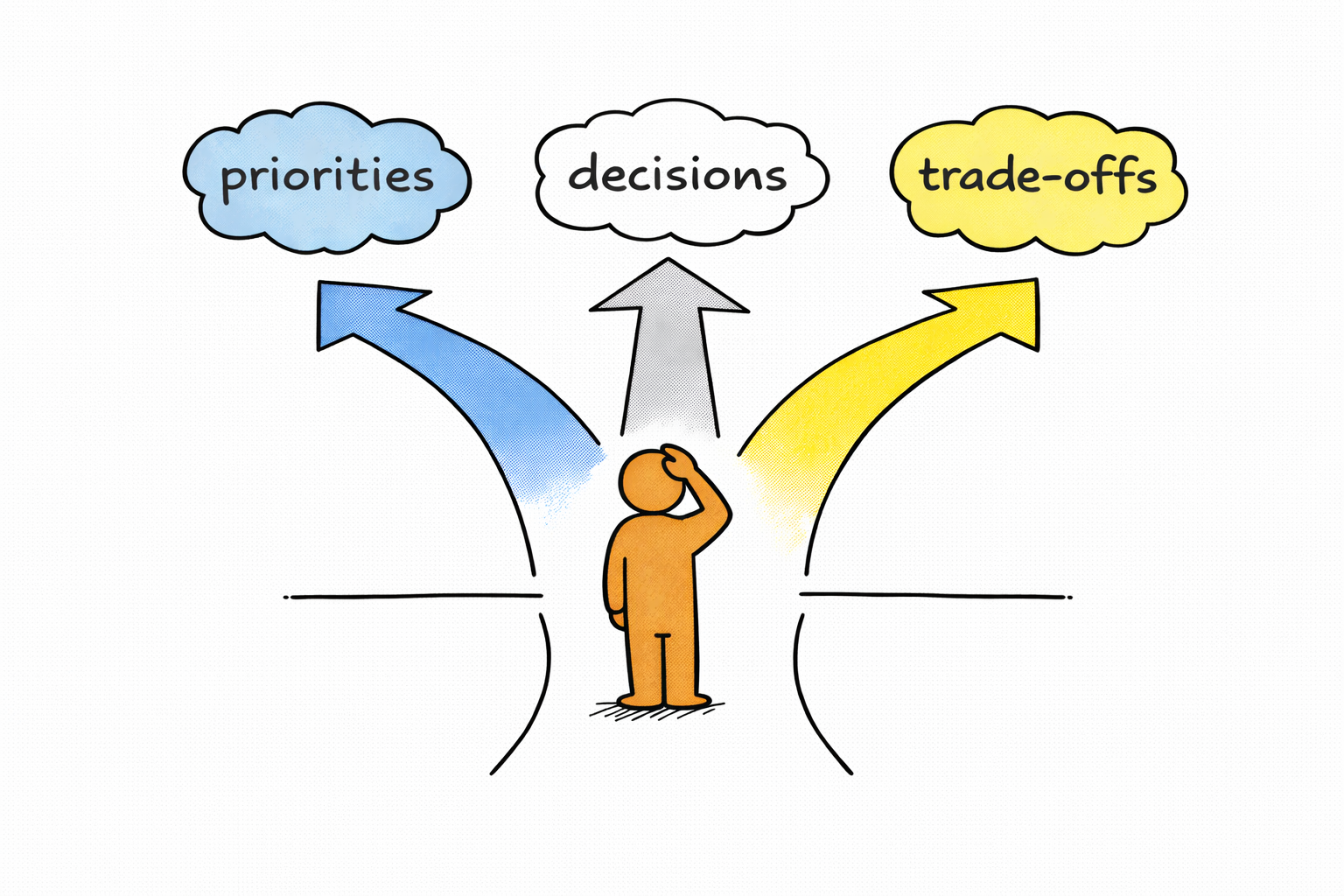
Strategy is really about judgment. It is deciding what matters most. What problem is actually worth solving. What trade-off you are willing to make. What needs to happen first. AI can generate options. But it cannot decide what matters for you. And it cannot carry responsibility for the outcome. That judgment, that willingness to own a decision and its consequences, is profoundly human.
Empathy
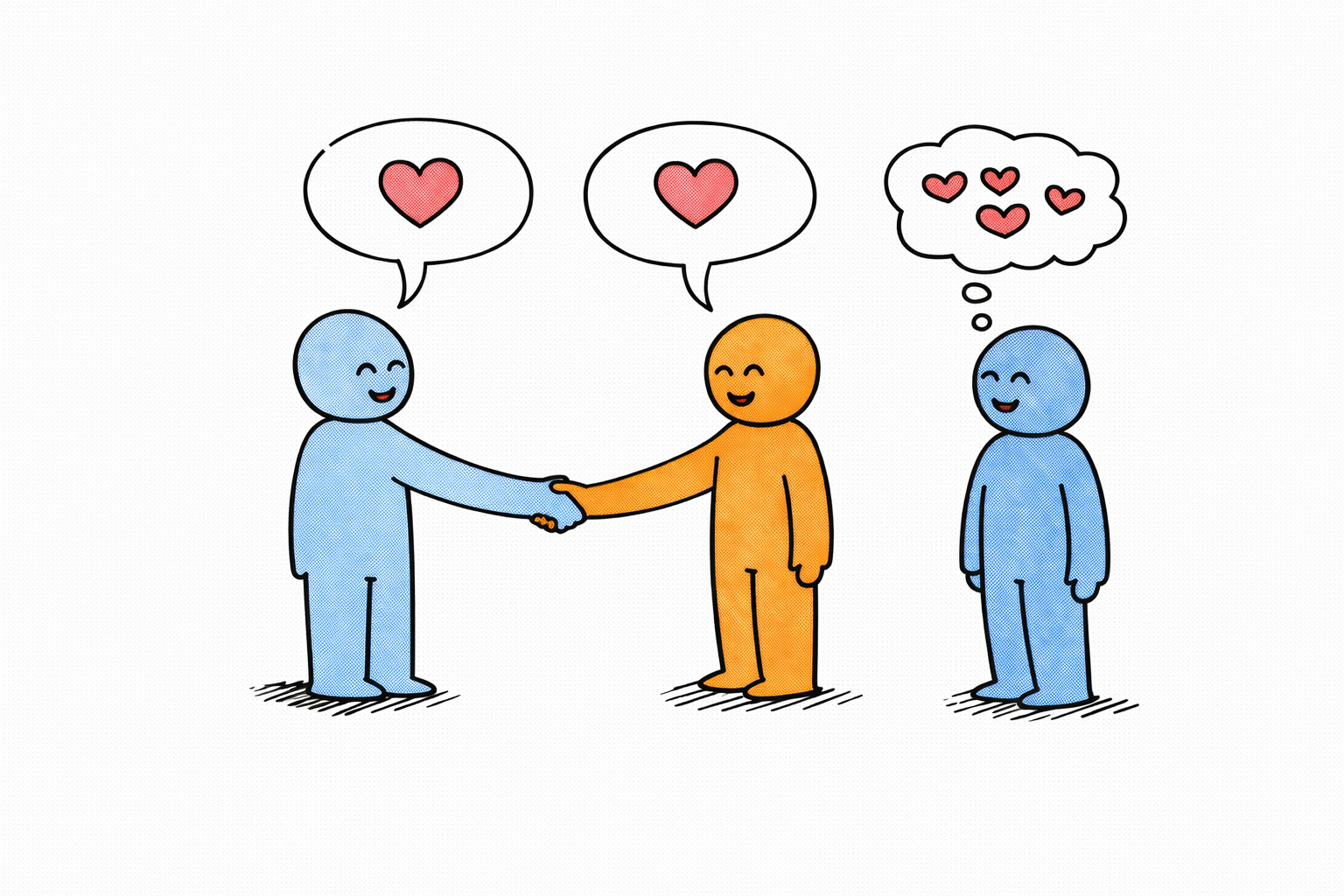
Empathy is where human value becomes very hard to replace.
- A good facilitator reads the room.
- A good leader senses hesitation.
- A good coach notices what is not being said.
That kind of connection is not a soft skill on the side. It is core value. And it becomes even more valuable as AI becomes cheaper and more available.
Adaptability
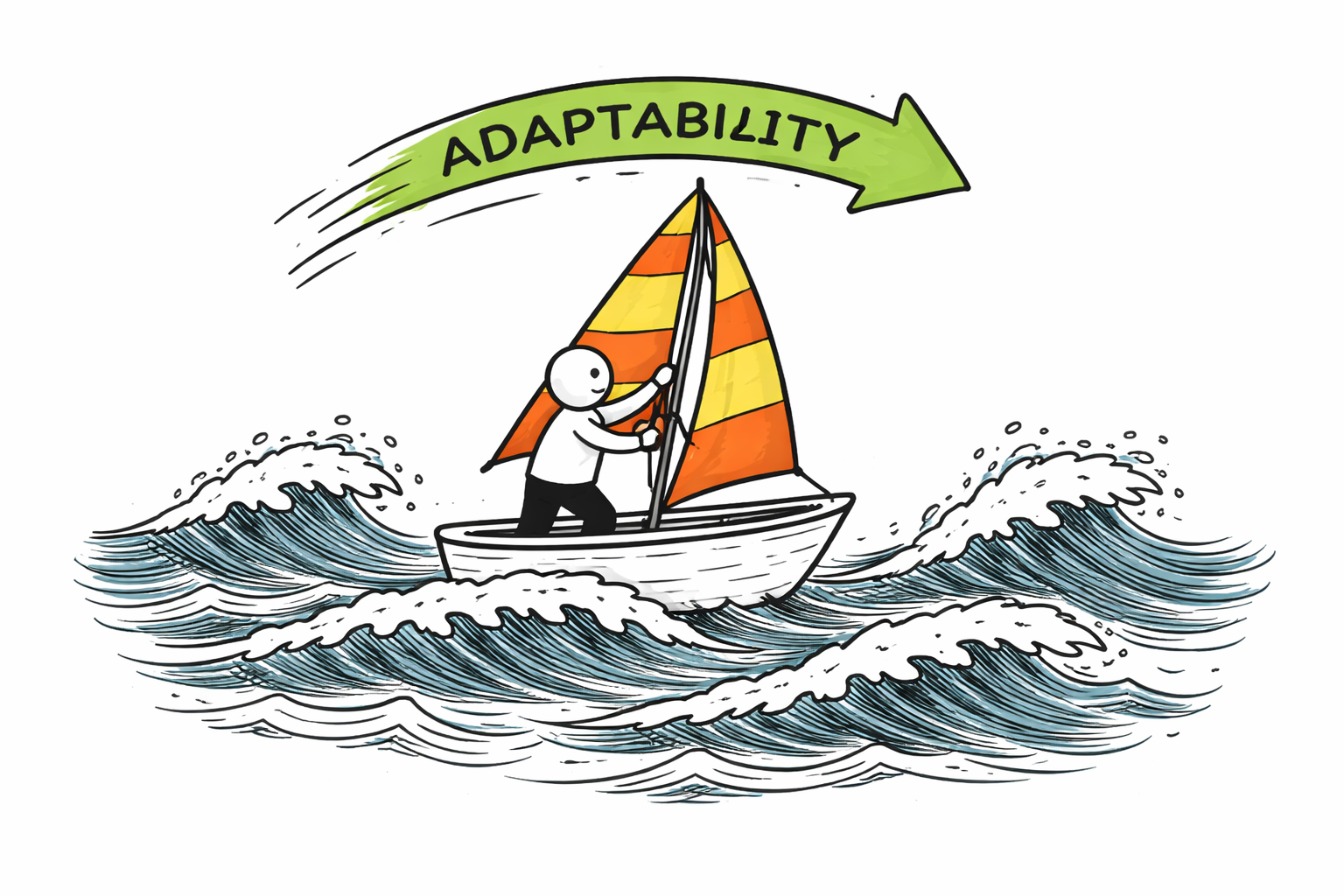
Not tool knowledge. Not platform knowledge. Adaptability.
The ability to let go of old assumptions. To experiment without freezing. To stay calm while the ground is shifting. And to keep learning without turning every change into an identity crisis.
Because when the ground keeps moving, adaptability stops being optional.
What this means for you
So no, the future does not belong only to the best coders or the best prompters.
It belongs to people who can combine AI leverage with human judgment. People who can create clarity. Build trust. And adapt faster than the environment changes.
If you want to reflect on your own position in this shift, I have prepared a practical tool: the SEA Worksheet, a simple reflection framework on Strategy, Empathy, and Adaptability.
You can find it on the Resources page.